

Dele Alli Tottenham Return: Emotional North London Derby Homecoming Teases Imminent Football Comeback
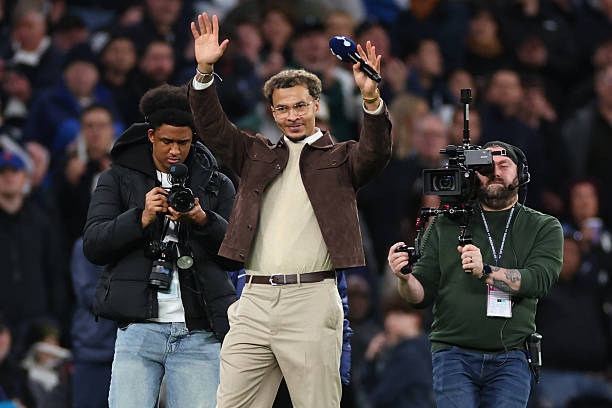
The deeply moving scenes of Dele Alli receiving a rapturous reception during his Tottenham return to the north London derby have sparked hope and emotion across football, with the former England international publicly teasing an imminent comeback to the professional game after his well-documented personal struggles and extended absence. The Dele Alli Tottenham return moment, where fans rose to applaud a player whose career trajectory has been heartbreaking to witness, demonstrated football’s capacity for compassion while also raising genuine questions about whether the once-prodigious talent can recapture even a fraction of the brilliance that made him one of England’s most exciting young players.
The specific circumstances surrounding the Dele Alli Tottenham return homecoming involve the midfielder attending the emotionally charged north London derby as a guest, receiving standing ovation from supporters who remember his crucial contributions during Spurs’ most successful recent era under Mauricio Pochettino. This public acknowledgment, combined with Alli’s own social media hints about returning to competitive football, has generated widespread speculation about where and when he might actually play again, whether that involves a romantic Tottenham return or a fresh start elsewhere as he attempts rebuilding a career that seemed destined for greatness before personal demons derailed his trajectory.
Understanding Dele Alli’s Dramatic Career Decline
Analyzing the potential Dele Alli Tottenham return requires first understanding how one of English football’s brightest young talents experienced such precipitous decline from regular England international and Premier League star to completely out of professional football by his late twenties. Alli’s fall from grace represents one of modern football’s most sobering stories, involving complex personal issues, mental health struggles, and professional setbacks that combined to derail what should have been a career at the absolute apex of the sport.
The specific timeline of Dele Alli’s decline that makes his Tottenham return so emotionally resonant includes his peak years from 2015-2018 where he scored prolifically from midfield, earned regular England caps, and appeared destined for sustained elite-level career. The gradual deterioration began around 2019-2020 as form wavered, continued through unsuccessful loan spell at Everton, and ultimately resulted in complete absence from professional football as mental health and addiction issues required prioritizing personal recovery over career advancement.
The brave public revelations about trauma, addiction, and mental health that Dele Alli shared in candid interviews provide crucial context for understanding both his decline and the significance of any Tottenham return. His openness about childhood abuse, sleeping pill dependency, and psychological struggles has generated enormous public sympathy while also raising legitimate questions about whether he possesses the mental and physical capability to compete at elite professional levels again after extended absence from the game.
The tactical evolution of football during Alli’s absence creates additional challenges for any Dele Alli Tottenham return beyond pure fitness and mental readiness. The game has evolved tactically during his time away, with increased emphasis on pressing intensity, positional versatility, and technical sophistication that might prove difficult for a player who hasn’t competed regularly to immediately adapt to upon comeback. These practical football considerations complement the personal recovery dimensions determining whether his return proves viable.
The North London Derby Reception and Emotional Significance
The specific scenes during the Dele Alli Tottenham return to the north London derby that generated such emotional response included the midfielder appearing on the big screen, fans immediately recognizing and applauding him, and the clearly moved Alli acknowledging the reception with visible emotion. These moments, captured on social media and broadcast footage, demonstrated the genuine affection Tottenham supporters maintain for a player whose best moments came wearing their shirt despite his subsequent struggles elsewhere.
The symbolism of the Dele Alli Tottenham return occurring specifically during the north London derby adds particular poignancy given that he scored crucial goals in these fixtures during his peak years. The derby represents the most emotionally charged match in Tottenham’s calendar, making the fans’ warmth toward Alli during this specific game especially significant as demonstration of how much they value his contributions during successful period and hope for his recovery beyond pure football considerations.
The social media reaction to the Dele Alli Tottenham return homecoming reveals widespread support from fans across football, not just Tottenham supporters, who have followed his personal struggles and hope for successful comeback. The overwhelmingly positive response, with minimal criticism or skepticism about whether he deserves opportunities, demonstrates how his candor about mental health and addiction has generated empathy transcending normal football tribalism where fans typically show little sympathy for struggling opposition players.
The contrast between the warm Dele Alli Tottenham return reception and the often harsh treatment that underperforming players receive from supporters highlights how context and communication matter enormously in shaping fan perceptions. Alli’s honesty about his struggles has transformed how he’s viewed from “overpaid underperformer” to “young man battling serious personal demons,” fundamentally changing the emotional dynamics of his relationship with football’s broader community.
The Realistic Possibilities for His Playing Return
Assessing where and at what level a Dele Alli Tottenham return or alternative comeback might materialize requires honest evaluation of his current capabilities after extended absence from competitive football. While romantic notions of him returning to peak form at Tottenham appeal emotionally, realistic assessment suggests that any comeback would likely involve starting at lower levels and gradually rebuilding rather than immediately competing in the Premier League against players training consistently at elite intensity.
The specific leagues and clubs where a Dele Alli comeback might prove realistic beyond a romantic Tottenham return include Championship clubs willing to provide low-pressure environment for rebuilding his career, MLS teams offering less intense tactical demands while providing decent compensation, or potentially even lower Premier League clubs gambling on his residual quality if he demonstrates readiness during training periods. Each option carries distinct advantages and challenges for player attempting to resurrect his career.
The physical conditioning requirements that would enable any Dele Alli Tottenham return or alternative comeback involve months of intensive training reaching competitive fitness levels after extended period away from professional sport. Even for naturally gifted athletes, the gap between general fitness and elite football conditioning is enormous. Alli would require extensive preparation before being genuinely ready to compete professionally, making any immediate return impossible regardless of emotional desire or club willingness.
The mental readiness considerations that matter as much as physical preparation for the Dele Alli Tottenham return scenario involve whether he possesses the psychological strength to handle professional sport’s pressures after prioritizing mental health recovery. Football’s unforgiving scrutiny, performance pressure, and public criticism could trigger relapses or setbacks if he attempts comeback before genuinely ready psychologically. This mental health dimension makes rushing his return potentially dangerous beyond mere career considerations.
Tottenham’s Current Situation and Squad Needs
The practical obstacles complicating an actual Dele Alli Tottenham return beyond emotional appeal include the club’s current squad composition, tactical system, and competitive positioning making immediate integration extremely difficult regardless of sentimental desire. Tottenham under current management employs specific tactical approaches that might not optimize Alli’s skill set, while their competitive ambitions require players contributing immediately rather than development projects requiring patience and accommodation.
The specific positional dynamics that would affect a Dele Alli Tottenham return involve assessing where he would actually fit in current squad structure. His peak position as attacking midfielder/second striker doesn’t exist in many modern tactical systems, while his defensive work rate and pressing intensity were questioned even during his peak years. Finding role where his remaining strengths prove valuable without exposing limitations requires creative tactical thinking that clubs prioritizing immediate results rarely embrace.
The squad depth reality at Tottenham makes the Dele Alli Tottenham return logistically complicated regardless of emotional appeal. The club maintains talented players in every position with expensive new signings and established performers occupying spots where Alli might theoretically fit. Adding him would create squad imbalance unless purely as developmental signing with clear understanding that immediate contributions aren’t expected—an arrangement that elite clubs rarely pursue.
The managerial perspective on any Dele Alli Tottenham return involves current coaching staff’s assessment of whether Alli’s potential contribution justifies the investment of training time, squad space, and potential distraction that his presence might create. Managers facing pressure to deliver results often resist charity projects or sentimental signings regardless of their personal sympathy for players’ situations. This hard-headed professional reality often overrides emotional considerations in elite football.
The Mental Health and Recovery Journey
The broader mental health context surrounding the Dele Alli Tottenham return possibilities involves recognizing that his primary focus must remain personal wellbeing and recovery rather than football career considerations. His brave openness about addiction, trauma, and psychological struggles highlights that football represents only one dimension of his life, potentially not even the most important one depending on his recovery needs and life goals beyond sport.
The specific treatment and recovery programs that Dele Alli has undergone addressing issues that derailed his career demonstrate his commitment to confronting problems rather than avoiding them. This therapeutic work takes time and shouldn’t be rushed to accommodate football timelines if genuine healing requires longer processes. The danger of premature return involves potentially sacrificing long-term mental health for short-term career considerations that ultimately prove unsustainable if underlying issues remain inadequately addressed.
The support systems that would be essential for any Dele Alli Tottenham return or alternative comeback include comprehensive mental health resources, addiction counseling availability, personal support networks of family and friends, and club infrastructure specifically designed to support players managing mental health challenges while competing professionally. Not all clubs possess these sophisticated support systems, making careful evaluation of potential destinations crucial beyond pure football considerations.
The privacy considerations in the Dele Alli Tottenham return scenario involve balancing his openness about struggles with maintaining appropriate boundaries about ongoing treatment and recovery. While his candor has generated support and reduced stigma around mental health in football, constant public scrutiny of his psychological state could prove counterproductive to recovery. Finding balance between transparency and privacy represents ongoing challenge throughout any comeback attempt.
Historical Precedents: Comebacks from Personal Struggles
The historical context of players successfully returning from similar personal struggles to the Dele Alli situation provides both hope and cautionary lessons about what realistic outcomes might involve. Football history includes inspiring comeback stories demonstrating that career resurrection remains possible while also containing sobering examples where attempted returns proved unsuccessful or even harmful to players’ wellbeing and recovery.
The specific successful comeback precedents relevant to Dele Alli Tottenham return possibilities include players who overcame addiction, mental health crises, or extended absences to return at various competitive levels. These success stories typically share common elements including comprehensive support systems, realistic goal-setting about comeback levels, adequate preparation time before returning, and often career continuation at lower levels than previous peaks. These patterns suggest pathways that Alli might follow.
The cautionary examples where comeback attempts from situations similar to Dele Alli’s proved unsuccessful demonstrate the risks that premature or poorly supported returns involve. Some players who attempted comebacks before genuinely ready experienced relapses, public failures that damaged their recovery progress, or physical and mental toll that exceeded their capabilities. These negative outcomes highlight why patient, well-supported comeback planning matters more than rushing to capitalize on public sympathy or emotional desire.
The unique aspects of Dele Alli’s specific situation that differentiate his Tottenham return possibilities from historical precedents include his relatively young age providing more time for potential comeback, the public nature of his struggles creating unusual pressure but also support, and the changing cultural context around mental health in football that might provide more understanding environment than previous eras offered struggling players. These distinct factors make direct historical comparisons imperfect while still offering useful lessons.
The Financial Realities and Contract Considerations
The financial dimensions of any Dele Alli Tottenham return or alternative comeback involve realistic assessment of what compensation he can command given extended absence from competitive football. While his name recognition and previous achievements might generate some market interest, clubs would understandably offer modest terms reflecting enormous uncertainty about his current capabilities. Managing expectations about financial packages represents important aspect of successful comeback planning.
The specific contractual structures that might enable a Dele Alli Tottenham return could include short-term deals with performance incentives rewarding achievements and appearances, pay-as-you-play arrangements minimizing club risk, or even training contracts allowing assessment before committing to competitive registration. These flexible arrangements protect clubs while giving Alli opportunities to demonstrate readiness without excessive pressure or unrealistic expectations.
The agent and representation considerations affecting the Dele Alli Tottenham return scenario involve ensuring he receives proper professional advice balancing career ambitions against personal wellbeing and realistic market assessment. Good representation would help him identify appropriate comeback opportunities while filtering out situations that might prove exploitative or harmful to his recovery. Poor representation might push him toward premature returns or inappropriate situations prioritizing agent commissions over player welfare.
The insurance and medical assessment requirements that any Dele Alli Tottenham return would trigger include comprehensive physical and potentially psychological evaluations that clubs would demand before offering contracts. These assessments protect clubs against injury risks while also potentially identifying any remaining health concerns requiring attention before competing. The medical clearance process represents crucial gatekeeping mechanism ensuring returns occur only when genuinely safe and appropriate.
Fan Perspective and Public Support
The supporter dimension of the Dele Alli Tottenham return story reveals football fandom’s complexity and capacity for compassion alongside its often harsh criticism. The warm derby reception demonstrated that fans can separate personal sympathy for struggling individuals from pure performance evaluation, recognizing Alli as young man deserving support beyond his football contributions. This empathy represents football culture’s best qualities.
The specific fan reactions to potential Dele Alli Tottenham return scenarios range from enthusiastic support for giving him opportunities regardless of current capabilities, to skeptical but sympathetic perspectives hoping for his recovery while doubting football comeback viability, to purely pragmatic views that elite clubs cannot accommodate charity projects regardless of personal sympathy. This spectrum reflects broader tensions between emotional and rational approaches to football decision-making.
The social media dynamics around the Dele Alli Tottenham return possibilities demonstrate modern football fandom’s double-edged nature—capable of enormous support and encouragement but also potential source of pressure and criticism that could prove counterproductive to recovery. Managing social media presence and public expectations represents significant challenge for anyone attempting comeback from Alli’s circumstances, requiring careful boundary-setting and communication strategies.
The commercial and marketing dimensions of the Dele Alli Tottenham return from club perspectives involve assessing whether his name recognition and inspiring comeback narrative generate sufficient commercial value justifying investment despite football uncertainties. Clubs increasingly consider marketing and commercial factors alongside pure sporting evaluation, potentially making Alli’s story attractive even if his playing contribution remains uncertain. This commercial logic might open doors that pure sporting assessment would close.
The Broader Mental Health in Football Context
The wider implications of the Dele Alli Tottenham return story for mental health awareness in professional football extend far beyond one player’s individual situation. His openness about struggles has contributed to gradually changing culture where players feel more comfortable discussing mental health challenges rather than suffering in silence. This cultural shift represents crucial progress benefiting countless players who previously lacked support or felt unable to seek help.
The specific institutional changes in football’s mental health support that Dele Alli’s struggles have helped highlight include improving access to psychological services, better education for coaches and staff about mental health recognition, enhanced support systems for players managing addiction or trauma, and reduced stigma enabling players to seek help without fearing career consequences. These systemic improvements potentially prevent other young players experiencing similar trajectories.
The cautionary lessons that the Dele Alli situation provides about pressure on young players involve recognizing how early fame, enormous wealth, intense scrutiny, and performance pressure can overwhelm individuals lacking adequate support systems or personal resilience. The football industry’s responsibility to better protect young talents from these pressures has become increasingly recognized, though implementation of meaningful protective measures remains incomplete across clubs and leagues.
Conclusion: Hope, Reality, and the Road Ahead
The Dele Alli Tottenham return possibilities, whether manifesting as actual playing comeback at Spurs or alternative career resurrection elsewhere, represent one of modern football’s most emotionally complex stories combining hope, tragedy, and the possibility of redemption. The warm north London derby reception demonstrated that football retains capacity for compassion and support beyond pure performance evaluation, recognizing Alli as human being deserving encouragement regardless of whether he ever plays professionally again.
The realistic assessment of his Tottenham return or broader comeback prospects requires balancing optimistic hope against honest evaluation of challenges he faces. Extended absence from elite football, the physical and mental demands of professional sport, and the inevitable scrutiny that any return would generate create formidable obstacles that even fully recovered players would struggle overcoming. Setting realistic expectations about what success might look like—perhaps lower-level football or even successful life beyond sport—matters more than fantasizing about recapturing past glories.
For Dele Alli personally, the journey toward whatever future he pursues should prioritize his wellbeing and recovery above all football considerations. If he genuinely wants to play again and possesses the mental and physical capability to compete healthily, then appropriate opportunities at realistic levels should be welcomed. If his recovery ultimately leads away from professional football toward other pursuits that better serve his long-term happiness and mental health, that outcome deserves equal celebration as successful life beyond sport.
The ultimate legacy of the Dele Alli story, whether it includes a Tottenham return or not, might be its contribution to reducing mental health stigma in football and demonstrating that struggling players deserve support and compassion regardless of their on-field performances. If his brave openness helps even one other player seek help earlier or encourages clubs to better support those managing mental health challenges, then his impact on football will have been profoundly positive regardless of whether he ever plays another competitive match.
For more updates, visit World Play Info’s Football Page.


