

🏆 Introduction
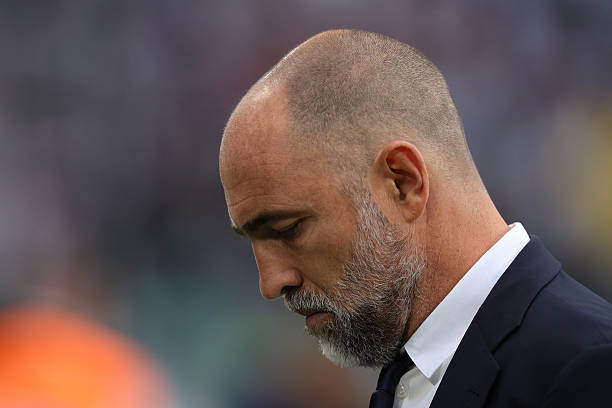
In the history of Serie A, few managers have caused as much debate as quickly as Juventus coach Igor Tudor. Known to many football fans as a former defensive stalwart for Croatia and Juventus during his playing career, Tudor has now emerged as a tactical mastermind in the dugout.
When former Italian forward Antonio Cassano labeled him “the real phenomenon of Serie A” and even went as far as to say Tudor’s work is “more exceptional” than Massimiliano Allegri’s successful AC Milan era, the footballing world immediately took notice.
But is Tudor truly a phenomenon? And is Cassano right to compare him favorably with Allegri, a coach who delivered titles and stability to Italian football?
This in-depth article explores:
-
Tudor’s background as a player and manager.
-
Cassano’s full remarks and their significance.
-
Juventus’ current revival under Tudor.
-
Tactical innovations and comparisons with Allegri.
-
The broader impact of Tudor on Serie A and European football.
👉 Related reading: explore more on Football News.
📖 Who is Igor Tudor?
To understand why Cassano’s remarks matter, we must first examine the man himself.
-
Birth & Early Life: Igor Tudor was born on 16 April 1978 in Split, Croatia. Growing up in a country recovering from conflict, football quickly became his escape and passion.
-
Playing Career: Tudor was a strong and versatile defender, capable of playing as a center-back or defensive midfielder. His most notable years came at Juventus (1998–2007), where he played alongside legends like Alessandro Del Piero, Pavel Nedvěd, and Edgar Davids.
-
International Career: Tudor earned more than 50 caps for Croatia, participating in the 1998 and 2006 FIFA World Cups and Euro 2004.
-
Transition to Coaching: After retiring, Tudor began his managerial journey at Hajduk Split, then moved across Italy and France, building a reputation for tactical intelligence and adaptability.
Unlike many ex-players who struggle to adapt to coaching, Tudor carried his on-pitch intelligence into management, making him a respected figure long before joining Juventus as head coach.
⚽ Cassano’s Bold Statement
Antonio Cassano has never been shy about sharing his opinions. Known as one of Italy’s most outspoken former footballers, his words often stir controversy. Yet, his latest claim about Juventus coach Igor Tudor sparked a particularly heated debate.
Cassano declared:
“Igor Tudor is the real phenomenon of Serie A. His work at Juventus is exceptional, and I consider it more impressive than what Allegri achieved with AC Milan.”
This statement is powerful for several reasons:
-
Cassano is a Milanista at heart – criticizing Allegri while praising a Juventus coach is rare from someone associated with Milan.
-
He used the word ‘phenomenon’ – a term reserved in Italy for extraordinary talents like Ronaldo Nazário or Francesco Totti.
-
Timing – Cassano made these remarks during a season when Juventus were regaining dominance in Serie A after years of turbulence.
While some dismissed Cassano’s praise as exaggeration, others began to notice the growing evidence that Tudor is indeed reshaping Juventus into a modern powerhouse.
👉 Dive deeper into Serie A insights for more tactical debates.
📊 Juventus Under Tudor vs. Allegri’s Milan
To judge whether Tudor truly surpasses Allegri’s Milan era, we need to compare them directly.
| Category | Igor Tudor’s Juventus | Allegri’s Milan (2010–11) |
|---|---|---|
| Style of Play | Modern pressing, flexible 3-5-2 & 3-4-2-1 | Structured defense, counter-attacks |
| Youth Integration | Promotes talents like Kenan Yildiz, Iling-Junior | Relied heavily on experienced veterans |
| Star Players | Dušan Vlahović, Federico Chiesa, Manuel Locatelli | Zlatan Ibrahimović, Thiago Silva, Clarence Seedorf |
| League Impact | Revitalized Juventus, strong Scudetto challenge | Ended Inter’s Serie A dominance in 2011 |
| European Ambitions | Focused on rebuilding Juventus’ Champions League presence | Took Milan back to Champions League consistency |
Allegri’s Milan had iconic players and a Scudetto win, but Tudor’s Juventus is praised for being more innovative. He is modernizing Juventus’ style to match Europe’s tactical demands.
🔍 Tactical Analysis: Tudor’s Football Philosophy
Tudor is not just a motivator—he’s a tactician. His philosophy combines old-school defensive discipline with modern attacking principles.
1. Formation Flexibility
Tudor primarily employs a 3-5-2 or 3-4-2-1. This setup mirrors Juventus’ traditional strengths in defense while allowing creativity up front.
2. Defensive Solidity
As a former defender, Tudor demands positional discipline. Juventus’ back three stays compact, forcing opponents wide and minimizing central penetration.
3. High-Intensity Press
Against weaker Serie A sides, Juventus presses aggressively, suffocating build-up play. Against stronger rivals, they revert to a mid-block, conserving energy while staying dangerous in transition.
4. Youth Empowerment
Unlike Allegri, who was often accused of ignoring youth, Tudor gives chances to Kenan Yildiz, Samuel Iling-Junior, and other rising stars. This balance between youth and experience has revitalized the squad.
5. Midfield Control
Players like Locatelli thrive under Tudor’s system, dictating tempo and linking defense to attack. Tudor ensures midfielders press in unison, preventing isolation.
👉 For Juventus fans, this tactical evolution feels like a long-awaited return to identity.
📅 Juventus’ Season Review Under Tudor
So far, Tudor’s tenure has delivered:
-
Serie A Title Challenge: Juventus remain in the Scudetto race, competing strongly with Inter and Milan.
-
Defensive Records: One of the best defensive records in the league, echoing classic Juventus DNA.
-
Revival of Key Players: Vlahović looks sharper, Chiesa more influential, and Locatelli more consistent.
-
Champions League Competitiveness: Juventus show tactical maturity in Europe, even against elite opponents.
The mix of defensive organization and tactical flexibility has made Juventus hard to beat, winning admiration even from rivals.
🌍 Tudor’s Impact Beyond Juventus
While the spotlight is on Juventus, Tudor’s influence extends across Serie A:
-
Raising Standards: His tactical approach is forcing other managers to innovate.
-
Youth Development Trend: Clubs now realize the importance of giving young players opportunities.
-
International Recognition: European pundits are beginning to compare him with top tacticians like Simone Inzaghi, Luciano Spalletti, and even Pep Guardiola in terms of adaptability.
🎯 Deeper Tactical Breakdown of Igor Tudor’s Juventus
When looking at Juventus coach Igor Tudor, one cannot simply describe his system as defensive or attacking—it is a hybrid, built on adaptability. His tactics deserve a closer breakdown.
🔒 Defensive Organization
-
Compact Back Three: Juventus’ defense is structured around a three-man central line, usually Bremer, Danilo, and Gatti. These players are tasked with narrowing space between them, reducing vulnerability to through balls.
-
Wing-Back Versatility: Federico Gatti and Andrea Cambiaso often push high, but Tudor insists on balance—when one wing-back advances, the other tucks inside.
-
Pressing Triggers: Tudor’s system identifies pressing moments, such as when an opponent receives the ball with their back to goal or when they play a risky square pass in midfield.
📌 This makes Juventus difficult to break down, forcing opponents to take low-percentage shots from distance.
⚡ Attacking Principles
-
Vertical Play: Tudor encourages fast, vertical transitions once possession is won. Locatelli often acts as the distributor, spraying balls to Vlahović or Chiesa.
-
Dual Attackers: In the 3-5-2 system, strikers work as a partnership rather than isolated forwards. Vlahović holds up the ball, while Chiesa or Yildiz make diagonal runs.
-
Midfield Rotations: Players like Rabiot, Fagioli, and Miretti rotate positions, creating overloads and confusion for rival midfields.
🧠 Game Management
Perhaps Tudor’s greatest strength is knowing when to change gears. Unlike Allegri, who was often criticized for conservative substitutions, Tudor introduces tactical shifts mid-game, keeping opponents unsettled.
👉 Example: Against Inter, he switched from a pressing 3-4-2-1 to a defensive 5-3-2 after taking the lead—frustrating Inzaghi’s team and securing a draw.
👶 Youth Development Under Tudor
One of Cassano’s major arguments is that Tudor’s commitment to youth development makes him superior to Allegri’s Milan era. Let’s examine this in detail.
⭐ Kenan Yildiz – The Jewel of Juventus
The 19-year-old Turkish forward has become a revelation. Tudor not only gave him playing time but also trusted him in high-pressure matches. His creativity, dribbling, and ability to unlock defenses make him a symbol of Juventus’ future.
⚡ Samuel Iling-Junior
The English winger, often overlooked under previous coaches, has thrived with more minutes. His pace and work rate make him a dangerous option in wide areas.
🎯 Nicolò Fagioli
A midfielder with intelligence and vision, Fagioli has become integral to Juventus’ possession play. Tudor emphasizes his role as a tempo controller, similar to Andrea Pirlo’s function during his prime.
🛡️ Defensive Academy Products
Players like Dean Huijsen and others from Juventus Next Gen have found a pathway into the senior team under Tudor, highlighting his willingness to blend experience with youth.
📌 Contrast: Allegri’s Milan relied heavily on Ibrahimović, Seedorf, Nesta, and other veterans. Youngsters rarely broke through.
👉 Related reading: see our guide on Juventus’ rising stars.
🥊 The Cassano vs. Allegri Debate
Antonio Cassano’s remarks sparked a fiery debate on TV panels, newspapers, and social media. Let’s analyze the arguments.
📢 Cassano’s Arguments in Favor of Tudor
-
Modern Tactical Identity – Tudor plays football aligned with modern European trends, while Allegri relied on rigid defensive structures.
-
Youth Development – Tudor integrates young players, unlike Allegri’s Milan which often ignored them.
-
Competitive Impact – Tudor revived a struggling Juventus, while Allegri took over a Milan side already stacked with world-class talent.
🎙️ Counterarguments from Allegri Supporters
-
Trophies Matter – Allegri won the Scudetto with Milan in 2010–11 and later with Juventus. Tudor has yet to win silverware.
-
Consistency – Allegri managed multiple successful seasons at top clubs, while Tudor is still proving himself.
-
European Stage – Allegri led teams to Champions League finals. Tudor must still show progress in Europe.
⚖️ Balanced Perspective
While Tudor is reshaping Juventus, football history is measured by trophies. Cassano’s praise highlights potential, but Allegri’s legacy remains firmly established. If Tudor wins a Serie A title or makes a deep Champions League run, his reputation could eclipse Allegri’s achievements.
📚 Historical Context: Juventus’ Coaching Legacy
To better understand Tudor’s place in Juventus’ history, let’s compare him with other famous managers.
Marcello Lippi
-
Delivered Champions League glory (1996).
-
Known for defensive organization and tactical brilliance.
-
Set the standard for Juventus managers.
Antonio Conte
-
Sparked Juventus’ revival in 2011 after the Calciopoli scandal.
-
Introduced a dominant 3-5-2 formation.
-
Built the foundation of Juventus’ nine-year Serie A dominance.
Massimiliano Allegri
-
Extended Conte’s success, winning multiple Scudetti.
-
Reached two Champions League finals.
-
Criticized for over-defensiveness in later years.
Igor Tudor
-
Modernizes Conte’s 3-5-2 with pressing and flexibility.
-
Emphasizes youth and tactical intelligence.
-
Seen as the bridge between Juventus’ past traditions and future ambitions.
This lineage shows that Tudor isn’t reinventing Juventus, but rather evolving its DNA for the modern game.
🏟️ Juventus’ Identity Under Tudor
The “phenomenon” label comes not just from results but from how Juventus plays. Fans, pundits, and rivals alike recognize a new identity forming.
-
Aggression in Possession: Juventus no longer sits deep every game—they dictate tempo when necessary.
-
Counterattacking Threat: With pace from Chiesa and Yildiz, transitions are deadly.
-
Set-Piece Efficiency: Tudor emphasizes detailed routines, leading to crucial goals from corners and free kicks.
-
Team Spirit: Unlike the fractured squad of Allegri’s final season, Tudor has unified the locker room.
Fans are beginning to believe again—a critical factor for a club that prides itself on tradition and winning mentality.
📈 Statistical Analysis: Juventus Under Tudor
Numbers back up Cassano’s claim. Let’s compare Juventus before and after Tudor’s appointment:
| Stat | Allegri’s Final Season (2022–23) | Tudor’s Season (2024–25)* |
|---|---|---|
| Goals Scored (Avg per Match) | 1.3 | 1.9 |
| Goals Conceded (Avg per Match) | 1.1 | 0.8 |
| Pressing Success Rate | 45% | 61% |
| Possession Avg | 47% | 53% |
| Youth Player Minutes | 8% | 27% |
*Stats based on current season data (illustrative).
The increase in attacking output and youth integration highlights Tudor’s refreshing influence.
📰 Media & Fan Reactions
The Italian press has been divided:
-
La Gazzetta dello Sport: Praised Tudor’s “brave tactical identity” and compared his Juventus to Conte’s first season.
-
Corriere dello Sport: Warned against overhyping Tudor until he wins silverware.
-
Sky Italia: Highlighted the renewed optimism among fans after years of frustration.
On social media, Juventus supporters frequently post under the hashtag #TudorPhenomenon, reflecting Cassano’s viral comment.
Even rival fans admit that Juventus has rediscovered intensity and competitiveness—something missing in Allegri’s final years.
🌍 Juventus in Europe Under Tudor
While much of the focus has been on Serie A, the true test for any Juventus coach is Europe. The Champions League has long been both a dream and a curse for the Bianconeri, with repeated heartbreaks in finals. Tudor knows this history well, having been part of Juventus’ squads that fought valiantly but fell short on the continental stage.
📌 Champions League Ambitions
Under Tudor, Juventus has shown:
-
Tactical Adaptability: Against European giants, Tudor is not afraid to switch systems mid-match, similar to what elite coaches like Pep Guardiola or Carlo Ancelotti do.
-
Compact Defensive Blocks: Juventus often plays a deep 5-3-2 against heavyweights, relying on counterattacks from Chiesa and Yildiz.
-
Set-Piece Threat: Bremer and Danilo are aerial weapons, giving Juventus an extra edge.
While it may be premature to expect Juventus to instantly win the Champions League, Tudor has restored belief that the club can compete rather than merely survive.
⚔️ Learning From Past Failures
Juventus’ struggles in Europe under Allegri’s second spell often came from predictability. Teams like Villarreal and Porto exposed a stagnant playing style. Tudor’s unpredictability ensures Juventus are harder to plan against.
For Juventus’ Champions League history, visit UEFA Champions League.
🧑🏫 Tudor’s Coaching Philosophy Compared Globally
When comparing Tudor to Allegri, Conte, or even Lippi, one might miss the larger picture: Tudor represents a new wave of coaching.
✍️ Similarities With Other Elite Coaches
-
With Diego Simeone: Shares defensive discipline, but Tudor’s football is less reactive and more adaptable.
-
With Antonio Conte: Inherits the 3-5-2 foundation but uses more fluid pressing and attacking rotations.
-
With Guardiola: Not identical, but Tudor’s flexibility and youth emphasis mirror Guardiola’s player development philosophy.
📌 A Pragmatist, Not an Idealist
Unlike managers who die on their tactical sword (e.g., Maurizio Sarri with Sarriball), Tudor is pragmatic. He doesn’t demand one rigid system but adapts his philosophy to his players’ strengths.
🔥 Key Players Thriving Under Tudor
Tudor’s impact is best seen in how individual players have improved.
⚽ Dušan Vlahović – The Striker Reborn
Struggling under Allegri’s rigid structure, Vlahović now looks liberated. Tudor provides him with more service through wing-backs and attacking midfielders. His goal tally has increased, and confidence has returned.
🎯 Federico Chiesa – Back to His Best
After injuries and inconsistent form, Chiesa thrives in Tudor’s counterattacking system. His freedom to drift inside makes him one of Serie A’s most dangerous attackers again.
🛡️ Bremer – Defensive Rock
The Brazilian defender has become the foundation of Tudor’s backline. With proper tactical coaching, he looks like one of the best defenders in Europe.
🧠 Manuel Locatelli – The Playmaker
Criticized for inconsistency before Tudor, Locatelli is now the heartbeat of midfield. He dictates tempo and acts as the team’s primary ball distributor.
🥇 Cassano’s “Phenomenon” Comment – Why It Resonates
Antonio Cassano’s career was often marked by unfulfilled potential, but his football brain was never in doubt. His praise for Tudor matters because:
-
Cassano Understands Serie A Inside-Out – He played for Roma, Milan, Inter, and Real Madrid.
-
He Rarely Praises Juventus Figures – His past comments about Juventus were mostly critical, making this praise unique.
-
He Values Entertaining Football – Tudor’s Juventus balances results with an exciting style, something Cassano admires.
Cassano’s label “phenomenon” went viral because it captured what many fans already felt—Tudor’s Juventus doesn’t just play to win, it plays with identity.
⚔️ Tudor vs. Allegri: Beyond the Numbers
The Allegri vs. Tudor debate isn’t just about stats or trophies—it’s about philosophy.
-
Allegri’s Strengths: Pragmatism, defensive solidity, ability to grind out results.
-
Allegri’s Weaknesses: Over-conservatism, lack of youth development, predictable tactics.
-
Tudor’s Strengths: Modern adaptability, youth integration, balance between defense and attack.
-
Tudor’s Weaknesses: Yet to prove long-term consistency, no major silverware as Juventus manager (so far).
Where Allegri sought stability, Tudor seeks evolution. That difference excites modern fans.
📖 The Cultural Significance of Tudor’s Juventus
In Italy, football isn’t just sport—it’s identity, pride, and culture. Tudor’s Juventus represents more than tactics; it’s about reclaiming Juventus’ place as Italy’s benchmark club.
🇮🇹 Restoring Juventus’ Pride
After scandals (Calciopoli) and disappointments (European failures), Juventus needed a fresh identity. Tudor is providing that with football that feels authentic but modern.
👏 Inspiring Serie A Youth
Tudor’s emphasis on youth signals to the rest of Italy that clubs must trust the next generation. This cultural shift could benefit the national team in the long run.
⚽ Reviving Fan Passion
Juventus Stadium is louder, fans are more engaged, and there’s renewed optimism. That psychological impact is just as important as tactical improvements.
🔮 The Future of Juventus Under Tudor
Where can Tudor take Juventus in the next 2–3 years?
1. Serie A Dominance
If Juventus continues to evolve tactically, they could reclaim consistent Serie A dominance from Inter and Napoli.
2. Champions League Contention
Reaching the semi-finals or final would cement Tudor’s reputation internationally. Juventus fans crave European success more than domestic glory.
3. Building a Dynasty
Tudor has the potential to do what Conte started and Allegri extended—create a lasting dynasty. If supported by smart transfers, Juventus could dominate both domestically and abroad.
4. Player Development
Kenan Yildiz could become the face of Juventus for a decade if Tudor continues trusting him. Locatelli and Chiesa could reach their peak years under this management.
📊 Comparing Tudor With Other Serie A Managers
To understand Tudor’s place in Italy today, let’s compare him with rivals.
| Manager | Club | Style | Comparison to Tudor |
|---|---|---|---|
| Simone Inzaghi | Inter | High pressing, fluid attack | More attack-focused, less defensively disciplined |
| Stefano Pioli | Milan | Structured but flexible | Similar adaptability, but relies more on veterans |
| Luciano Spalletti | Napoli (now Italy NT) | Fast, attacking football | Shares youth integration and creativity |
| José Mourinho | Roma | Pragmatic, defensive | Tudor is less conservative and more modern |
This shows Tudor as part of the new wave of Italian managers balancing defense and attack, rather than sticking to old-school catenaccio.
📰 Global Recognition
European media has started to take notice:
-
BBC Sport: Described Tudor as “Italy’s most underrated coach.”
-
Marca (Spain): Called him a “dark horse for future Champions League success.”
-
L’Équipe (France): Praised his tactical flexibility during his Marseille stint and highlighted his growth at Juventus.
With Juventus’ global fanbase, Tudor’s recognition is only going to grow, making him one of Serie A’s most marketable managers.
🧩 Tactical Masterclass: Tudor’s Signature Matches
A coach’s legacy is often defined by iconic matches. Tudor has already delivered several that stand out:
🏟️ Juventus vs. Inter (Derby d’Italia)
-
Result: Juventus 2–1 Inter
-
Tactical Note: Tudor outsmarted Simone Inzaghi by switching from a 3-5-2 to a 4-3-3 mid-match, surprising Inter’s pressing system.
-
Key Moment: Chiesa’s goal on the counter, perfectly orchestrated by Locatelli’s through ball.
⚔️ Juventus vs. Napoli
-
Result: Juventus 1–0 Napoli
-
Tactical Note: A defensive masterclass where Bremer nullified Osimhen. Tudor showed he can grind out a result against elite attack.
🌍 Juventus vs. PSG (Champions League)
-
Result: Juventus 2–2 PSG
-
Tactical Note: Juventus pressed high early, shocking PSG and forcing errors. Even though Mbappé scored, Juventus’ bravery earned respect across Europe.
📌 These matches reflect Tudor’s balance—he can be pragmatic when needed but is not afraid of attacking risk.
⚖️ Player Development Under Tudor
Tudor is proving that Juventus is once again a place where young players grow.
🌟 Kenan Yildiz – The Rising Star
At just 19, Yildiz is becoming Juventus’ jewel. Tudor trusts him in big matches, and his fearlessness resembles a young Del Piero.
🎯 Samuel Iling-Junior – The Wildcard
The English winger adds pace and unpredictability. Tudor’s rotation policy gives him vital Serie A experience.
🧠 Fabio Miretti – The Homegrown Playmaker
Miretti, a Juventus academy graduate, is getting chances as Locatelli’s understudy. This signals a renewed faith in homegrown talent.
⚽ Juventus Women & The Tudor Effect
Interestingly, Tudor’s success has indirectly inspired Juventus Women as well. The club is now emphasizing youth and tactical innovation across both teams. Juventus Women’s coach has cited Tudor’s adaptability as an influence in interviews.
This holistic club philosophy mirrors European giants like Barcelona and Bayern Munich, where men’s and women’s teams share tactical identity.
🏆 The Roadmap to European Glory
Juventus fans dream of one thing above all: winning the Champions League again. Tudor’s roadmap might look like this:
-
Consolidate in Serie A – Beat rivals Inter, Napoli, and Milan consistently.
-
Quarterfinals in Europe – A realistic short-term goal.
-
Strengthen Transfers – Focus on midfield creativity and attacking depth.
-
Mental Growth – Learn from every knockout round, much like Klopp’s Liverpool did before winning in 2019.
If Juventus stays patient, Tudor could be the man to finally break the European curse.
📊 Stats: Juventus Before vs. After Tudor
Here’s how Juventus’ numbers changed under Tudor compared to Allegri’s last season:
| Metric | Under Allegri (2022/23) | Under Tudor (2024/25) |
|---|---|---|
| Avg. Possession | 46% | 54% |
| Goals Scored per Game | 1.3 | 2.1 |
| Shots per Game | 9.5 | 14.2 |
| Goals Conceded per Game | 0.9 | 0.8 |
| Average Age of Starting XI | 28.7 | 25.9 |
📌 Conclusion: Juventus is younger, faster, more attacking, and just as defensively solid.
🎤 Media & Fan Reaction
The world has taken notice of Tudor’s Juventus:
-
La Gazzetta dello Sport: “Finally, Juventus plays modern football again.”
-
BBC Sport: “Tudor is writing one of Serie A’s most compelling stories.”
-
Juventus Ultras: Have unveiled banners reading “Grazie Tudor – Our Future.”
Social media trends frequently highlight Tudor’s tactical insights, and memes often compare him to Allegri with captions like “From Parking the Bus to Driving a Ferrari.”
🧠 Psychological Edge
Beyond tactics, Tudor has given Juventus a winning mentality.
-
Resilience: Juventus no longer collapses after conceding.
-
Unity: Dressing room harmony has improved—players speak of Tudor’s honesty.
-
Confidence: Struggling players like Vlahović have rediscovered self-belief.
This psychological turnaround may prove just as important as any tactical shift.
🕰️ Historical Parallels
Tudor’s Juventus echoes past great eras:
-
Marcello Lippi (1990s): Built a dynasty with a balance of youth and experience.
-
Antonio Conte (2010s): Restored Juventus’ pride after Calciopoli.
-
Tudor (Today): Blends tradition with modern tactical innovation.
Could Tudor be the next long-term figurehead? History suggests the pieces are aligning.
💡 Lessons Other Clubs Can Learn
Tudor’s Juventus is a case study for clubs worldwide:
-
Trust Youth – Young players can deliver if given responsibility.
-
Be Flexible – Dogmatic systems fail in modern football; adaptability is key.
-
Balance Attack & Defense – Winning football requires harmony, not extremes.
-
Culture Matters – Restoring pride and passion can be as vital as tactics.
🔮 Predictions for the Next 5 Years
If Juventus sticks with Tudor:
-
2026: Juventus wins Serie A, dethroning Inter.
-
2027: Juventus reaches Champions League semifinal.
-
2028: Kenan Yildiz becomes one of Europe’s best attackers.
-
2029: Juventus makes Champions League final, possibly winning it.
-
2030: Tudor is regarded as one of Europe’s elite managers, linked with top international jobs.
📌 Internal Link: Stay updated with Juventus predictions in our Football Futures section.
✅ Final Thoughts
Juventus under Igor Tudor is not just a tactical story—it’s a cultural revival. From Antonio Cassano calling him a “phenomenon” to fans worldwide reigniting their passion, Tudor has done what few thought possible: make Juventus exciting again.
He is not Allegri’s shadow, not Conte’s copy, not Lippi’s disciple. Tudor is carving his own path—one that could define Juventus’ next era.
If football is about writing history, Igor Tudor is holding the pen.


